
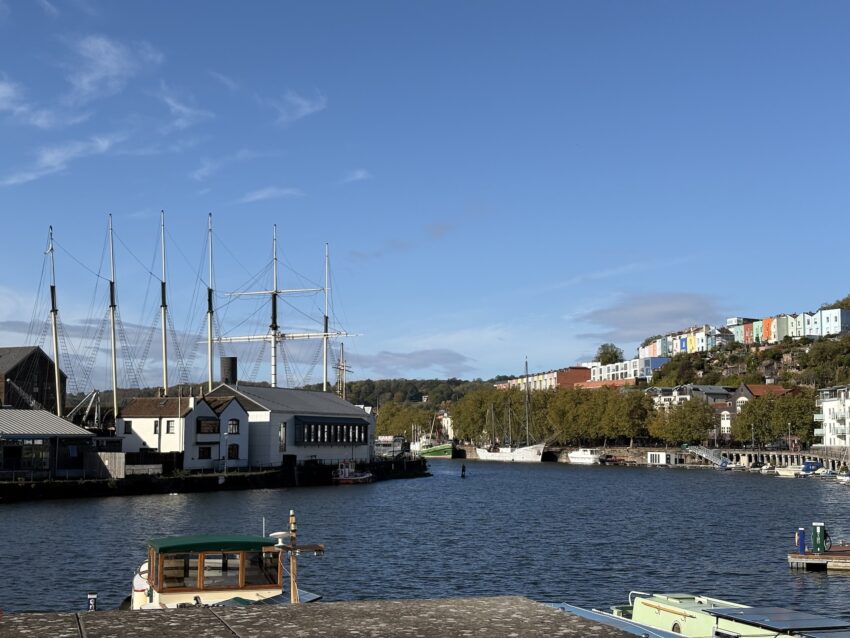
A big student population can make a city, its cultural life and social scene, and there are few finer examples than Bristol.
This port city in the west of England proved to be a treat to visit. It’s home to great architecture, from the medieval to modern, has some compelling attractions for the tourist and is looking to the future as much as it is to its past. While we were there, work was underway to roll back what had become a city for cars and lorries to create one far more suited to pedestrians and cyclists. Drivers may moan about it but for those on foot, it’s great to see the mistakes of the past being undone and an example being set for other cities in the UK.
We arrived by train on a cool autumn evening and found our hotel in a historic part of town, by the old St Bartholomew’s monastery and hospital. This is the Bristol of the past, where handsome medieval buildings and the atmospheric thoroughfare known as the Christmas Steps stand just yards from new office and accommodation blocks. The Hotel de Vin, the base for our stay, is housed in the The Sugar House, an old industrial complex that was once part of a trade that helped make Bristol rich – but was in turn made possible by slavery. Bristol and many of its merchants grew rich off the lives and toil of slaves and the city has struggled to deal with its legacy, with protests just a few years ago that made national news when the statue of a slave trader was toppled and pushed into the docks.
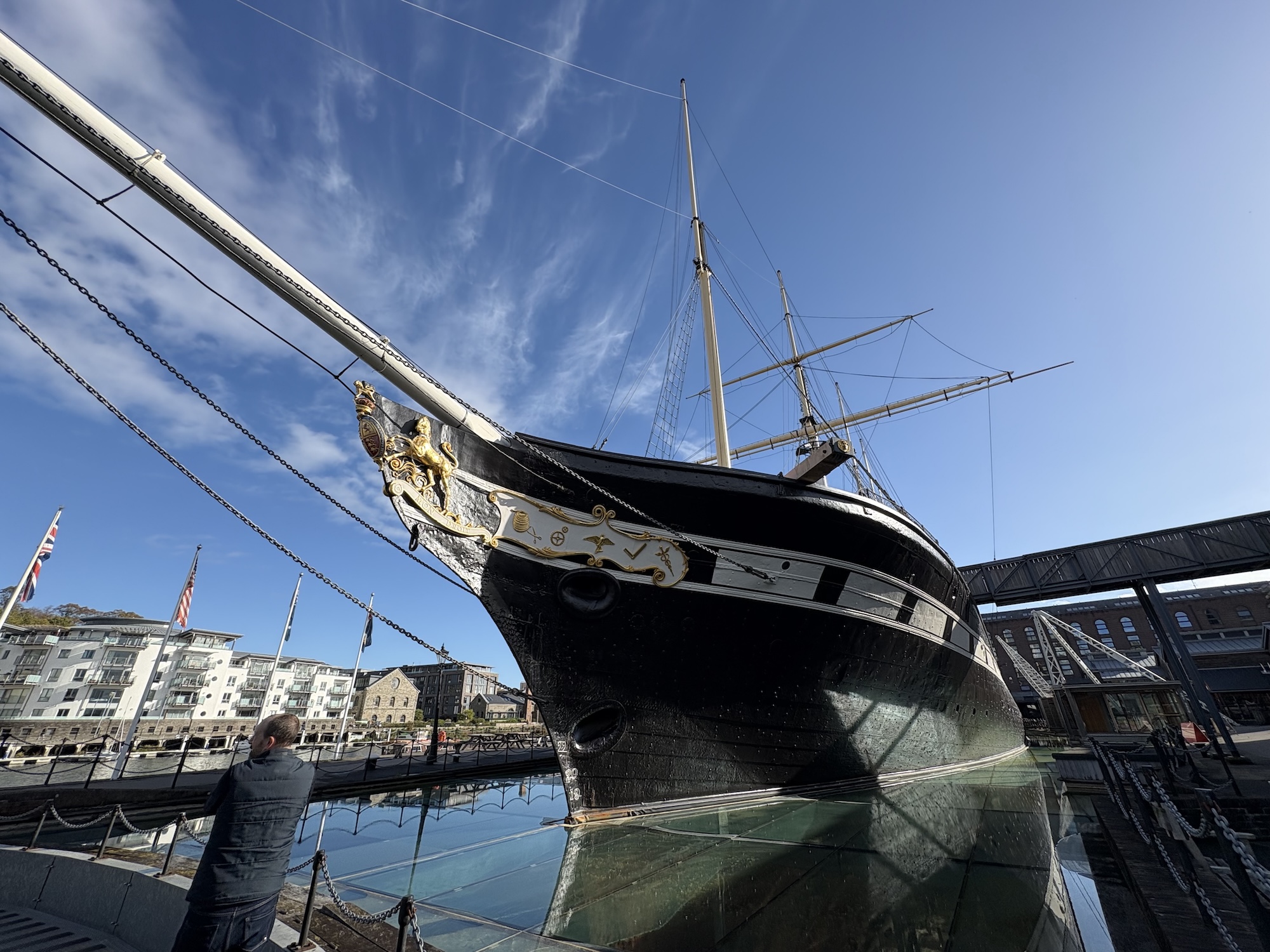
Today, the docks are more tourist attraction, cultural centre and residential space than working port. And it’s home to one of the city’s star attractions, the SS Great Britain. Designed by Isambard Kingdom Brunel, the iron giant was the largest passenger ship in the world in the 1840s but was never a commercial success carrying paying customers and was eventually converted. After many decades as a cargo vessel, she was abandoned in the Falklands before being rescued by enthusiasts. In 1970 she was brought back to the city in which she was built to be restored and put on show. It’s a striking vessel and the museum that sits beside it makes for a fascinating visit.
We crossed the docks in the sunshine on the modest ferry and walked to Clifton. It was only then that we realised quite how hilly Bristol is, and how many calories you can burn walking anywhere. Clifton is one of the city’s more prosperous neighbourhoods and its suspension bridge – another Brunel masterpiece – is its most photogenic structure, straddling the gorge carved by the River Avon far below. It was a bit of a stomach churner standing half-way across and seeing just how great was the drop, but the majestic views across the city to the countryside beyond were quite simply mesmerising.
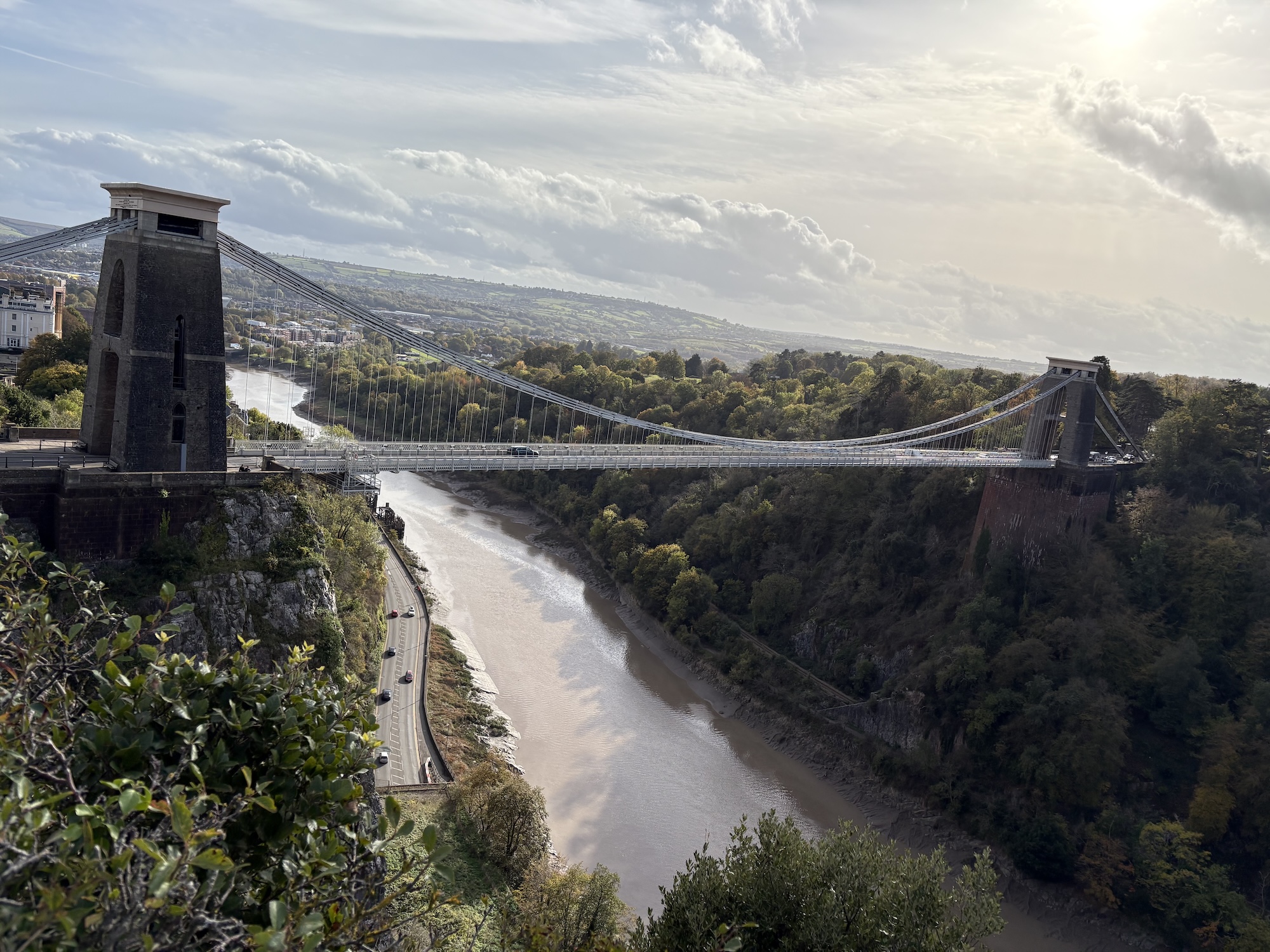
We stopped for lunch at a bar overlooking the bridge, walked on to the downs by the Clifton Observatory for more excellent views and wandered around Clifton to see at first hand its posh shops and attractive streets.
That night we ate at a great Italian, Cotto, and drank in some of the city’s lively pubs, including the busy and historic Famous Royal Navy Volunteer. Students were out in force.
Next day dawned drab and damp so we booked a cab and drove up to Filton to visit Aerospace Bristol. The museum celebrates Bristol’s long tradition of aircraft manufacturing, one that continues to this day with Airbus. Not much of the old airport that was integral to the site remains, instead whole new neighbourhoods and industrial units are springing up in a great splurge of development.
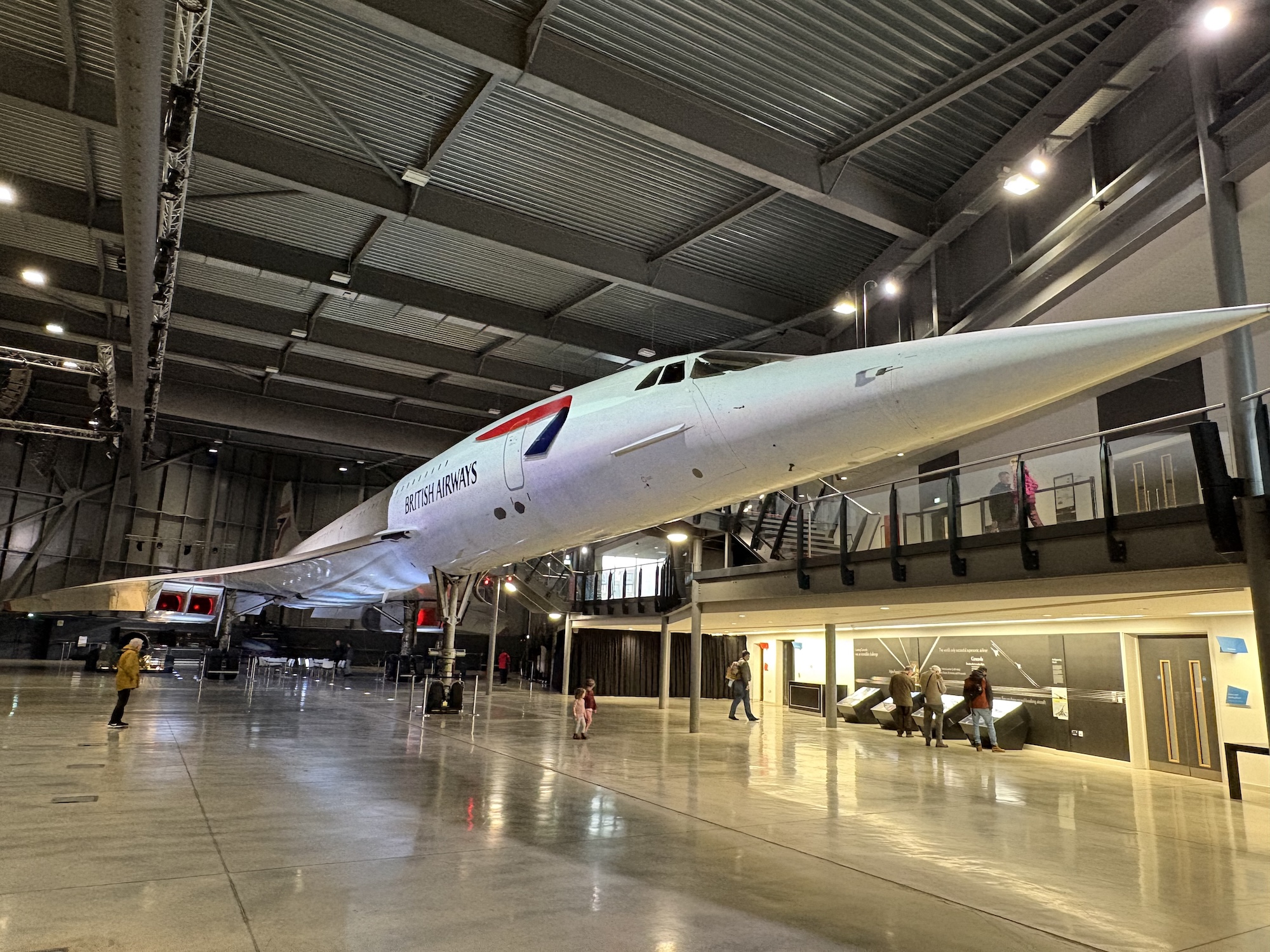
The museum’s collection is housed in a couple of historic hangars and the way it’s presented is very good indeed. It gets the balance right between stuff to keep the kids entertained and giving plenty of detail for the enthusiast. I loved it. The real draw, of course, is Concorde. The classic supersonic aircraft was built in Bristol and each one took its first flight from the city. The last one ever to fly – G-BOAF – returned here in 2003, flying over vast crowds, and is now housed in its own hangar. It’s impressive and well presented, its interior surprisingly modest and small for such a luxury liner. Like the SS Great Britain, it eventually returned home.
We stepped back a few centuries for our last visit, to the Georgian House Museum in the city centre. The property was built in the late 18th century for sugar merchant John Pinney and is furnished in a way he would recognise, from the below stairs kitchen to the bedrooms above. Pinney, though, was one of those Bristol men who made a fine living off of slavery as a plantation owner and the museum doesn’t shy away from acknowledging it. A room is given over to providing more information about the people Pinney and his like exploited. It really was a tale of two halves…
We spent our last night in the city eating curry and drinking well in busy pubs. Bristol had delivered many times over. Just wandering through its streets had shown us a city of great architecture, a wide selection of independent stores and cafes amid the usual chains and a decent range of places to eat and drink. It’s a city that felt confident and proud, and it’s definitely one I would love to see again. But for us it was onward to Bath to visit friends.